

What the World Can Learn from Canterbury
UCW’s model of community care is not just a local treasure—it’s a global blueprint. It shows us that community can be the cure. That healing happens not just in moments of crisis, but in the everyday work of choosing compassion over fear, connection over isolation.
Photo of BrainTree’s entrance—where innovation meets community. A welcoming space dedicated to empowering people with neurological conditions through movement, connection, and wellness.
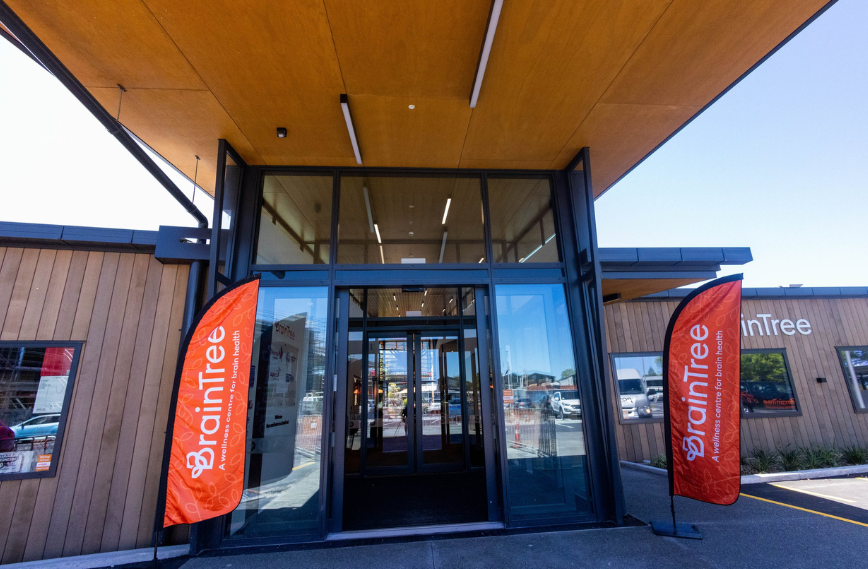
In Christchurch, tucked away from the city’s hum but pulsing with purpose, is BrainTree—a centre that isn’t just about treating neurological conditions, but about redefining what it means to live with them. Part wellness hub, part community anchor, BrainTree is where resilience meets innovation, and where people with Parkinson’s, MS, and other neurological conditions find not just support, but strength through community.
At the heart of this transformation is a belief that health extends beyond hospital visits and clinical check-ups. The BrainTree Wellness Centre is built on the idea that movement, nutrition, and community are as vital as medicine. It’s a place where exercise isn’t just encouraged—it’s reimagined. Where a gym is more than treadmills and weights, but a space designed for people whose bodies demand a different kind of care. Where conversations over coffee aren’t just social, but an essential part of emotional well-being.
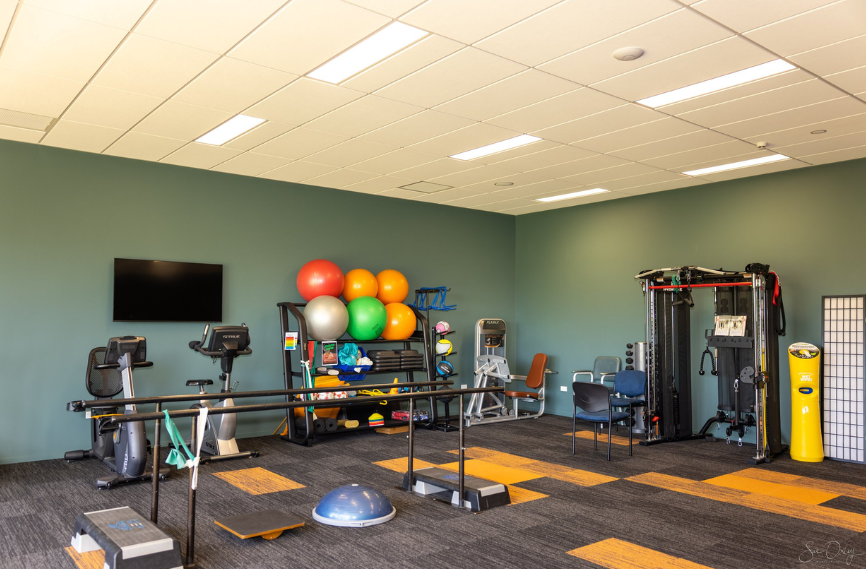
BrainTree Gym: A space designed for movement, strength, and rehabilitation tailored to neurological conditions.
BrainTree isn’t just a facility—it’s a movement. Its programs range from tailored fitness classes to mindfulness sessions, all structured around the understanding that neurological conditions affect every part of life, and so should their care. Here, a diagnosis is not a stopping point, but a shift in the road—a path made easier with the right tools and the right people.
The need for such initiatives is more pressing than ever. By 2036, one in four New Zealanders over the age of 65 is expected to be affected by brain disorders such as stroke, Alzheimer’s, and Parkinson’s disease (Brain Research New Zealand, n.d.). Alzheimer’s alone accounts for 60 to 80 percent of dementia cases in the country (Neurological Foundation New Zealand, n.d.), underscoring the urgency for comprehensive support. On a global scale, neurological conditions were responsible for 443 million years of healthy life lost due to illness, disability, and premature death in 2021 (Health Data Organization, 2021), making them one of the most significant health challenges of our time.
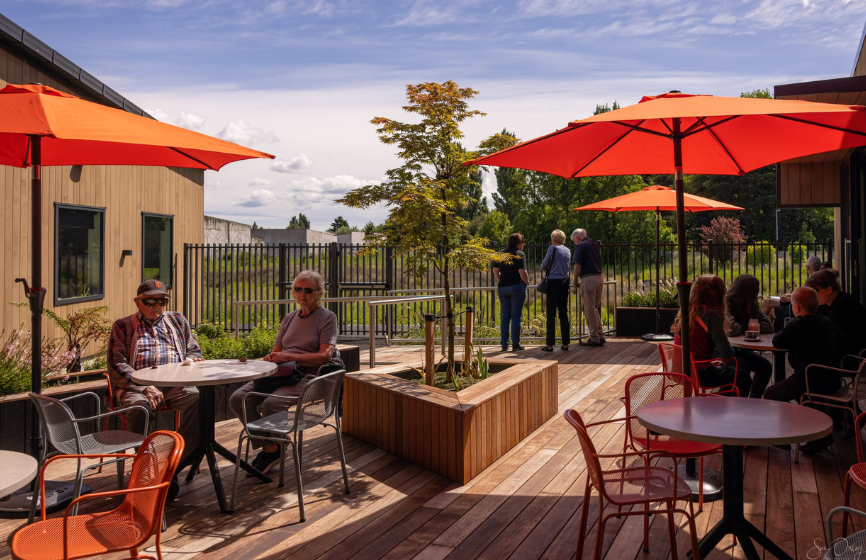
BrainTree Café: A hub of nourishment and connection, where mindful nutrition supports brain health and well-being.
Research increasingly indicates that lifestyle changes, particularly in diet and exercise, can play a critical role in mitigating the effects of neurological conditions. Regular physical activity enhances neuroplasticity—the brain’s ability to adapt and rewire itself—thereby improving cognitive function and resilience against neurological disorders (Gomez-Pinilla & Hillman, 2013). A nutrient-rich diet provides essential building blocks for cognitive health; for instance, omega-3 fatty acids help build and repair brain cells, while antioxidants reduce cellular stress and inflammation, both of which are linked to brain aging and neurodegenerative diseases (Gomez-Pinilla, 2008; Medical News Today, 2019). Furthermore, plant-based nutrients, such as those found in leafy greens and berries, have been associated with slower cognitive decline and improved brain function (Harvard Health Publishing, 2021). Partnering with organizations like Nutrient Rescue, BrainTree embraces the philosophy that what we consume is as important as how we move, reinforcing the connection between mindful nutrition and long-term neurological well-being (Nutrient Rescue, n.d.).
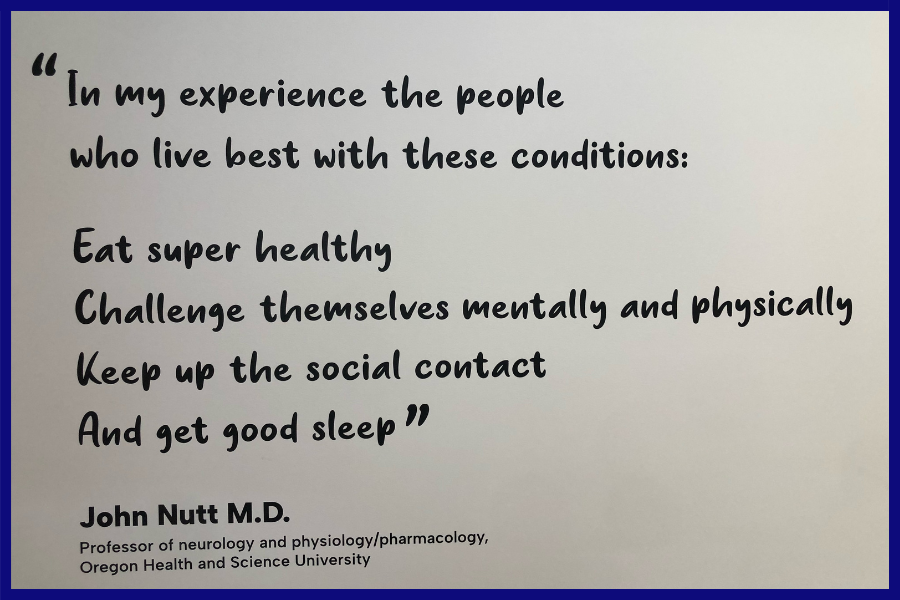
Dr. John Nutt, a professor of neurology and physiology, encapsulates this philosophy well:
“In my experience, the people who live best with these conditions:
- Eat super healthy
- Challenge themselves mentally and physically
- Keep up the social contact
- And get good sleep”
These principles align seamlessly with BrainTree’s mission, ensuring that neurological wellness extends beyond treatment and into daily habits that foster resilience and vitality.
Of course, such an ambitious vision doesn’t build itself. The generosity of donors and community partners has been instrumental in bringing BrainTree’s mission to life. Each contribution helps fund specialized equipment, expert-led programs, and the development of a space that is as welcoming as it is functional. This isn’t just about infrastructure—it’s about independence, dignity, and the belief that no one should navigate a neurological condition alone.
The impact of BrainTree is best seen in the faces of those who walk through its doors—people who once felt isolated but now belong to a thriving, supportive community. It’s in the instructor who adapts a yoga class for someone with limited mobility, in the nutritionist who teaches how to fuel a body that no longer plays by the usual rules, in the friendships formed over shared stories and mutual understanding.
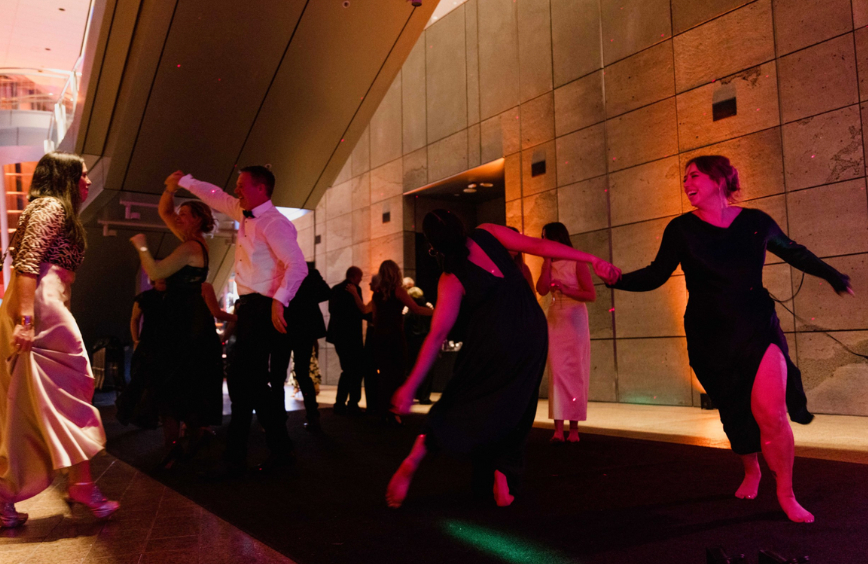
One of the highlights of BrainTree’s year is the BrainTree Ball, an annual fundraiser held at Te Pae Christchurch Convention Centre. A night filled with elegance, community spirit, and an unwavering commitment to supporting brain health, the Ball brings together those who believe in BrainTree’s mission. Last year’s event was described as “stunning on steroids,” brimming with sparkle, soul, and a seriously great outcome. This year, on Saturday, June 14, 2025, the tradition continues, providing another opportunity to contribute to a cause that transforms lives. While the tickets are sold out, you can still follow along and be inspired by BrainTree’s amazing work. The Fife Foundation are incredibly proud to be part of that journey.
Photo of BrainTree Ball 2023 attendees dancing, celebrating a night of generosity, community, and commitment to brain health.
As BrainTree continues to grow, so does its impact. The centre is a testament to what happens when vision meets action, when science meets empathy, and when a community decides that ‘good enough’ is not enough.
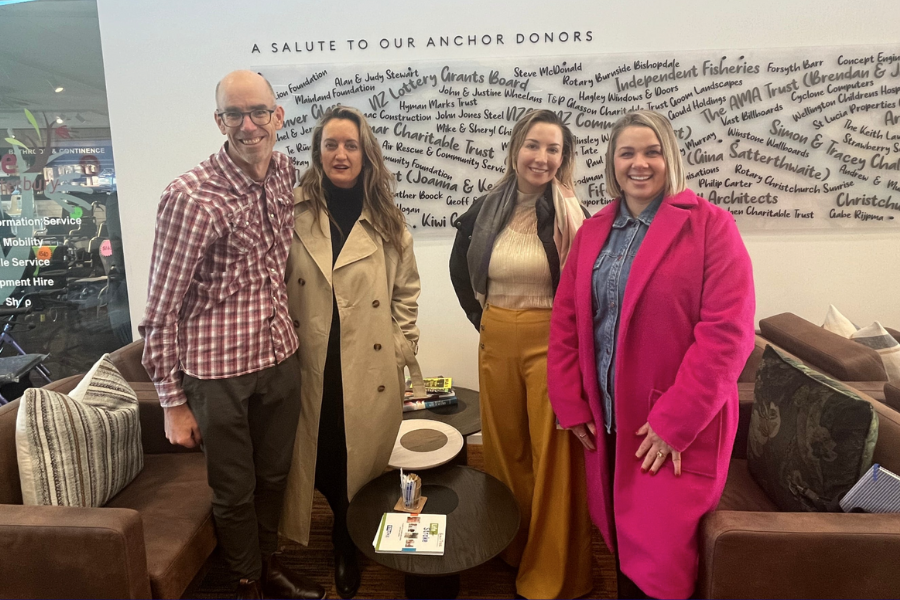
Photo of the Fife Team with Simon Challis, co-founder of BrainTree and a dedicated advocate for people with neurological conditions, as he shares insights on how the center empowers individuals through movement, community, and innovation.