


What the World Can Learn from Canterbury
UCW’s model of community care is not just a local treasure—it’s a global blueprint. It shows us that community can be the cure. That healing happens not just in moments of crisis, but in the everyday work of choosing compassion over fear, connection over isolation.
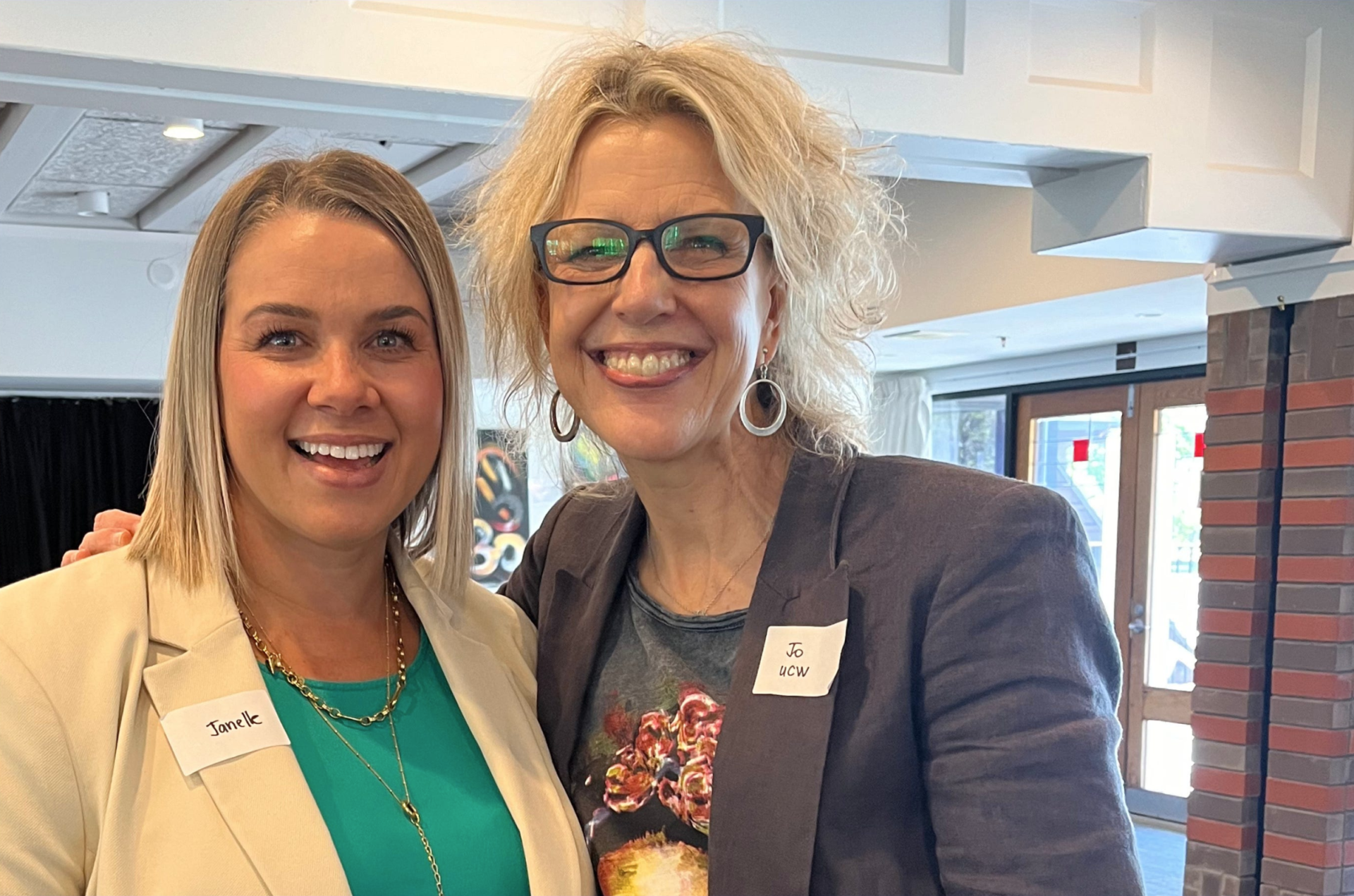
Fife’s Janelle Sara & UCW’s co-founder Jo Bailey at an “Around the World in Eight Cafes” event in 2024
The Moment That Changed Us
From the darkness of March 15th, 2019, emerged a community of light—sustained not by funding or fanfare, but by the quiet, determined power of wāhine who refused to look away.
One of the most enduring legacies of that time is Uniting Canterbury Women (UCW)—a grassroots, collective formed not as a charity or a service, but as a sanctuary of connection. Co-founded by six women—over coffee and cake.
UCW is a living model of what community psychology calls praxis: values in action (Prilleltensky, 2005). Their work reminds us that healing doesn’t always come in formal packages or clinical spaces. Sometimes it comes over shared kai, in circles of trust, in the quiet power of being seen and heard.
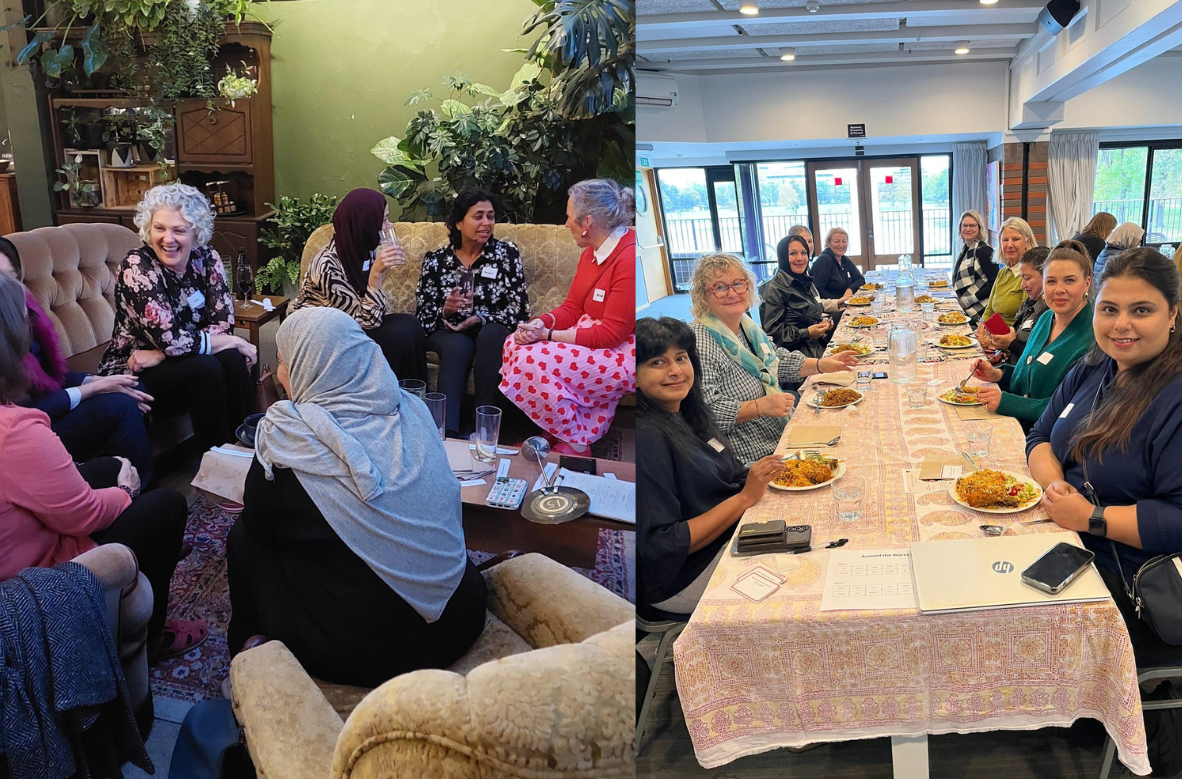
Left: Wāhine from UCW at ‘TEA for THREE” event at Scoundrel in Christchurch; Right: Wāhine from UCW at the ‘Around World in Eight Cafes’ lunch event at the Christchurch multicultural Centre
A Living Model of Therapeutic Community
This approach echoes the work of community psychologists like Prilleltensky and Nelson (2010), who argue that true wellbeing emerges at the intersection of the personal, relational, and collective. UCW embodies this intersection with every welcome gathering, every kōrero, every quiet moment of shared grief or laughter.
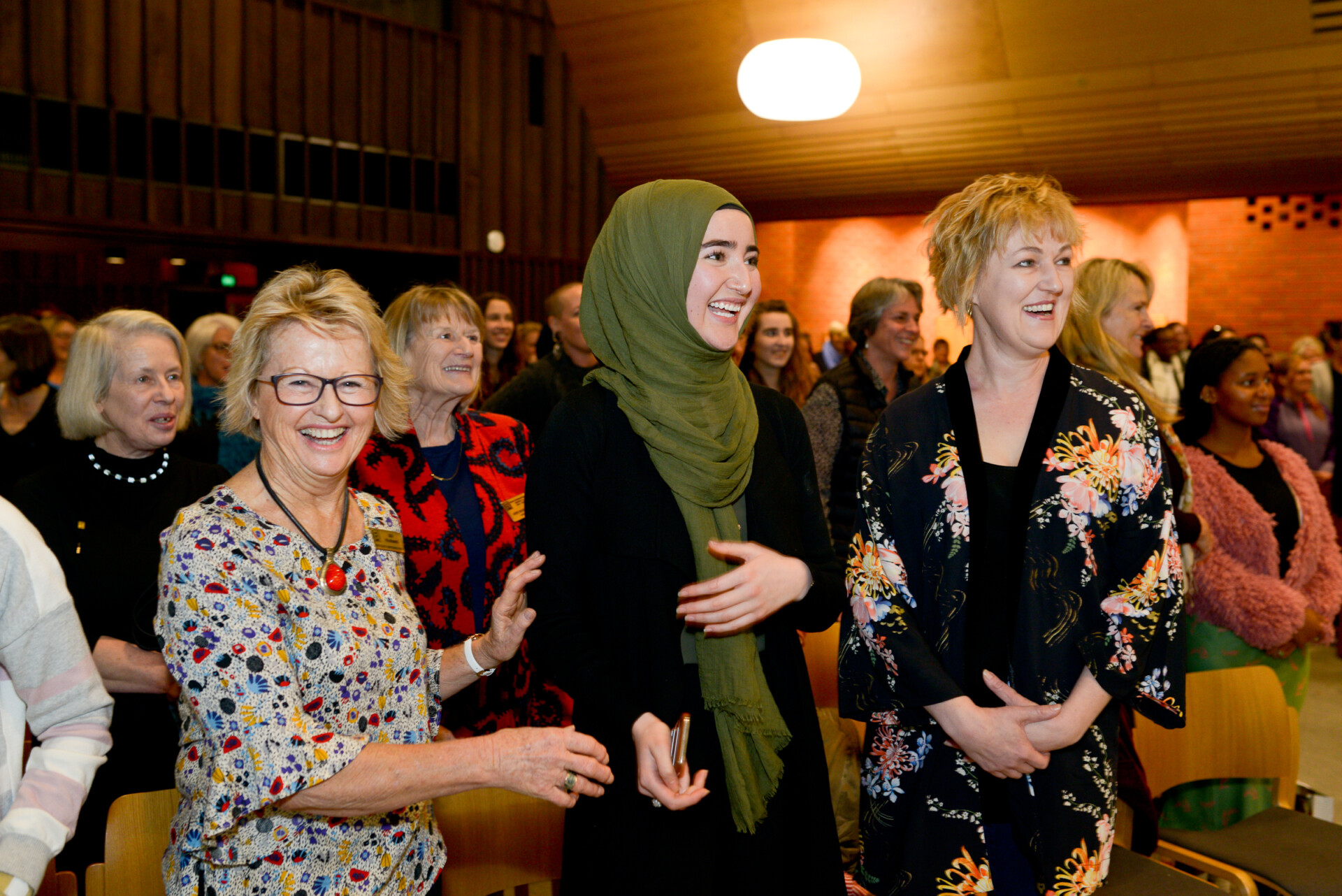
Wāhine at the UCW inaugural event, July 2019
At the Fife Foundation, we believe the most enduring change doesn’t always come from institutions or policy. It comes from people. From relationships. From spaces like those UCW holds—where healing isn’t prescribed, but practiced.
UCW’s model of community care is not just a local treasure—it’s a global blueprint. It shows us that community can be the cure. That healing happens not just in moments of crisis, but in the everyday work of choosing compassion over fear, connection over isolation.
From the darkness of March 15th emerged a community of light—sustained not by funding or fanfare, but by the quiet, determined power of wāhine who refused to look away.
UCW in support of our Muslim community outside the courthouse on sentencing day (2020)


