


In the foothills of Mount Kilimanjaro, the New Life Foundation—known to us at the Fife Foundation as the Tanzania Project—stands as a steady force for good. Amidst the challenges of poverty and marginalisation in Moshi, Tanzania, the Foundation is raising a generation of children with compassion, education, and enduring compassion. At the Fife Foundation, we are honoured to support this extraordinary work—a partnership grounded in shared values of dignity, uplift, and sustainable change.
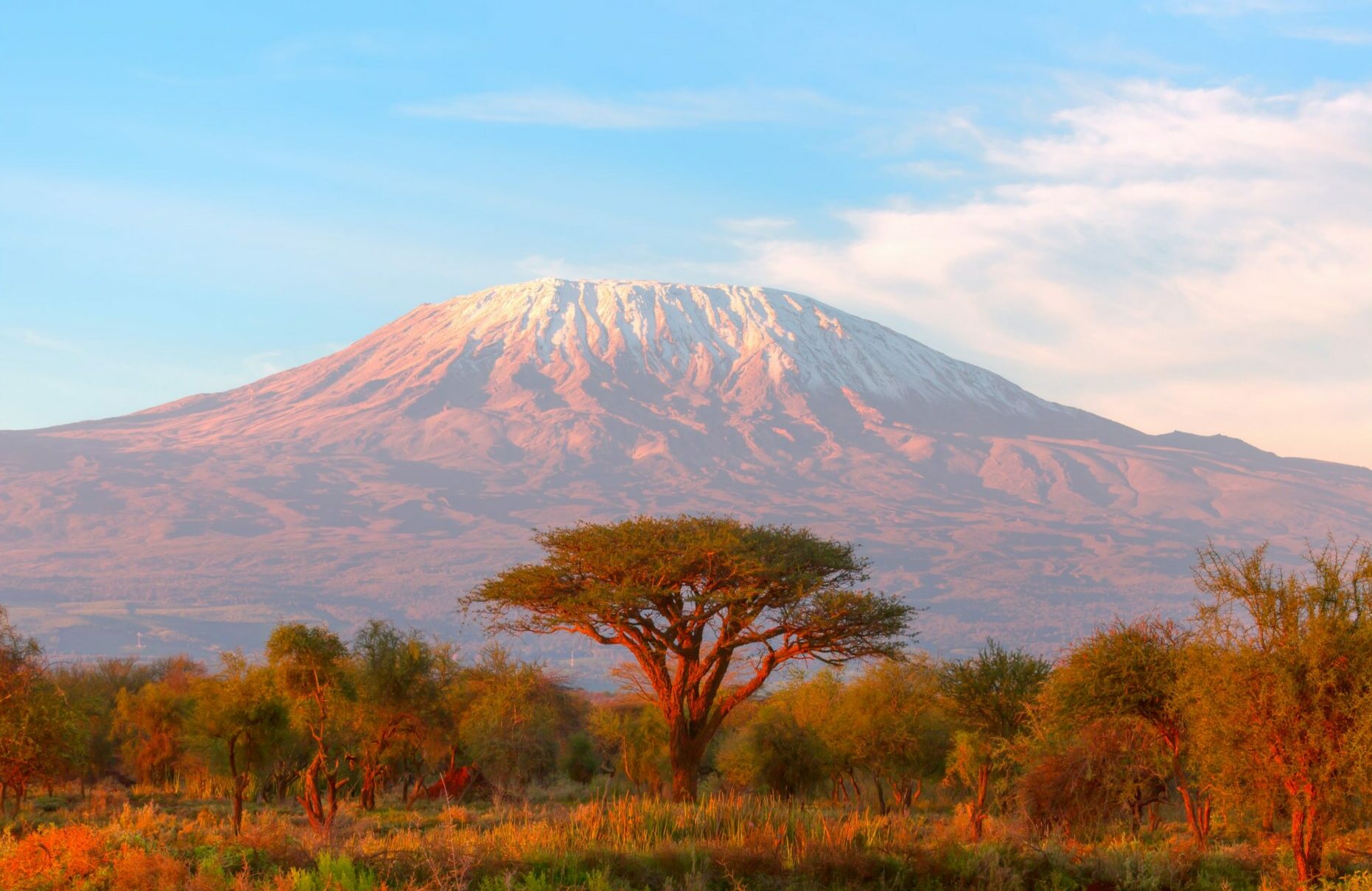
Mount Kilimanjaro majestically overlooking the vibrant communities of Moshi, Tanzania — a symbol of hope and resilience.
The Tanzania Project’s mission is simple, yet profound: to break cycles of poverty by empowering Tanzania’s most vulnerable children through holistic education and care. But this is no ordinary school. Here, children receive not only academic instruction, but also nutritious meals, safe shelter, medical attention, and emotional support. It is a place where their whole being—body, mind, and spirit—is honoured.
A Story Rooted in Care and Courage
Founded in 2001 by Glorious and Josephine Shoo, the The Tanzania Project began with just 14 children in a rented home. Their vision was clear: to provide consistent care and education for children who had experienced poverty, loss, or neglect. Over two decades later, the Foundation has grown into a thriving, full-time residential and educational centre in Moshi, home to hundreds of students each year. Their care model prioritises not just academic development, but emotional wellbeing, safety, and connection—a holistic response informed by both cultural insight and global best practices in child development.
Trauma-informed models emphasise the importance of stable, safe, and nurturing relationships in healing environments—especially for children impacted by adversity (CDC, 2014). The Tanzania Project embodies these principles by creating a space where children feel seen, supported, and empowered to grow.
Harvesting oranges on community land supported by the Fife Foundation and New Life Foundation in Moshi, Tanzania.

Holistic Education: More Than a Curriculum
Holistic education, in this context, is more than a curriculum. It’s a philosophy rooted in the belief that learning is inseparable from wellbeing. When children feel safe, nourished, and loved, they are free to explore their potential and imagine a future beyond survival. As educationalist Nel Noddings (2005) reminds us, “The ethic of care is the foundation for education that truly liberates.” Through this lens, The Tanzania Project is not just building classrooms—it’s rebuilding lives.
Access to education remains one of the most powerful tools for breaking intergenerational poverty. In sub-Saharan Africa, millions of children are excluded from formal education due to socio-economic barriers (UNESCO, 2023). The Tanzania Project’s model directly responds to this challenge by removing those barriers and creating pathways to learning, growth, and independence. For girls, in particular, education is linked to improved health outcomes, reduced child marriage rates, and greater economic participation (World Bank, 2020).
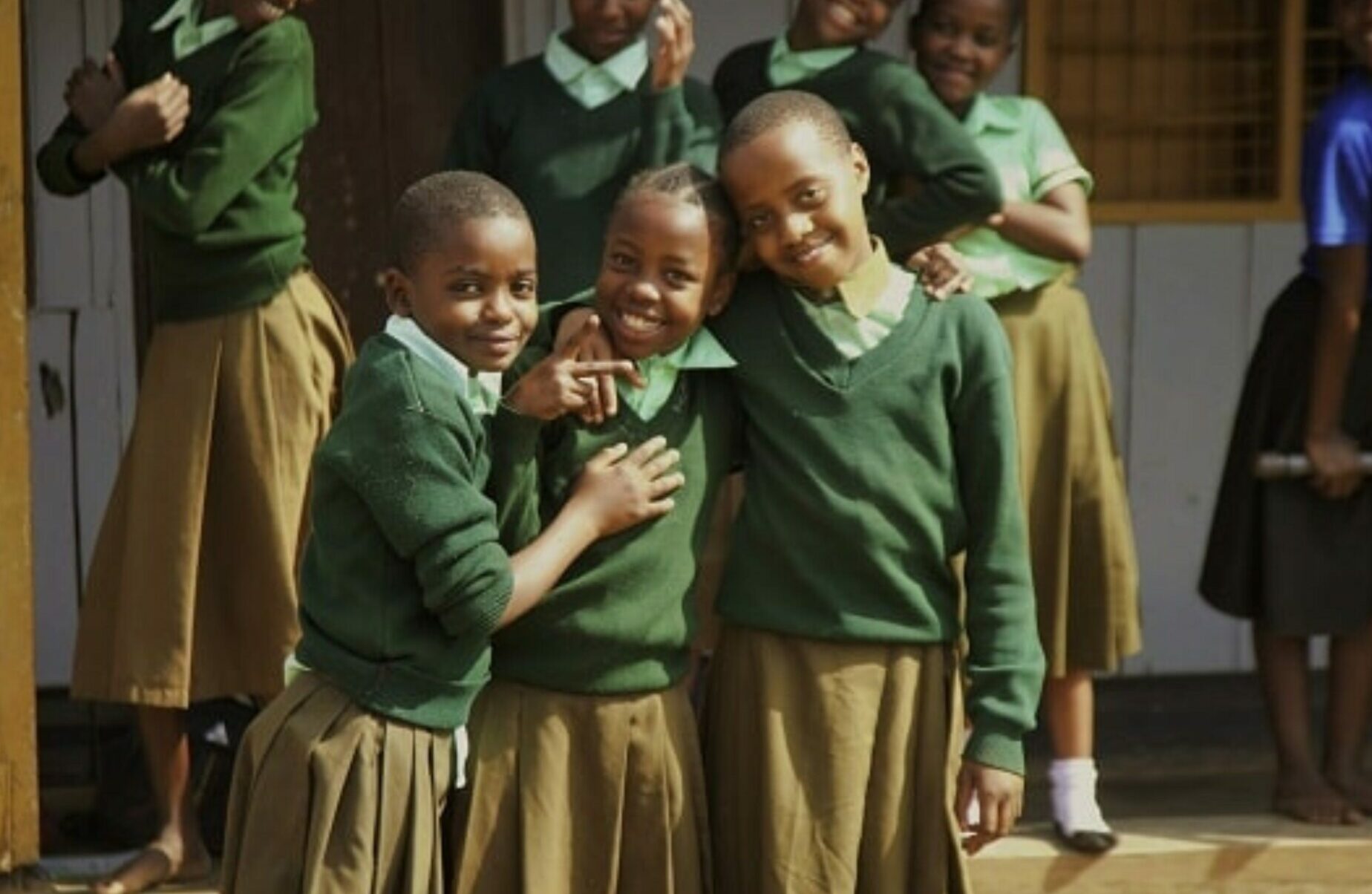
Primary school girls at New Life Foundation’s school in Moshi, Tanzania—thriving through holistic education supported by the Fife Foundation.
Why Tanzania? Why Not Just Focus on Aotearoa?
This question is one we’ve heard—and respect. Aotearoa has its own needs, and the Fife Foundation proudly supports local initiatives. But we also believe that our humanity is indivisible, and that the moral arc of philanthropy must extend beyond borders. Tanzania remains one of the most underserved nations globally, with approximately one-quarter of the population living below the national poverty line (World Bank, 2023). In rural areas like Moshi, children are often the first to suffer from underfunded schools, healthcare gaps, and the intergenerational effects of poverty.
Supporting work in Tanzania is not about choosing one community over another—it’s about recognising where support can unlock extraordinary impact. When we invest in communities with the fewest resources but the most potential, the returns ripple outward across generations.
As philosopher Martha Nussbaum (2011) proposes in her Capabilities Approach, the goal of development should be to expand the real freedoms people enjoy. Education, safety, food, and emotional support aren’t luxuries; they’re freedoms. New Life Foundation works daily to secure those freedoms for children who’ve often been denied them.
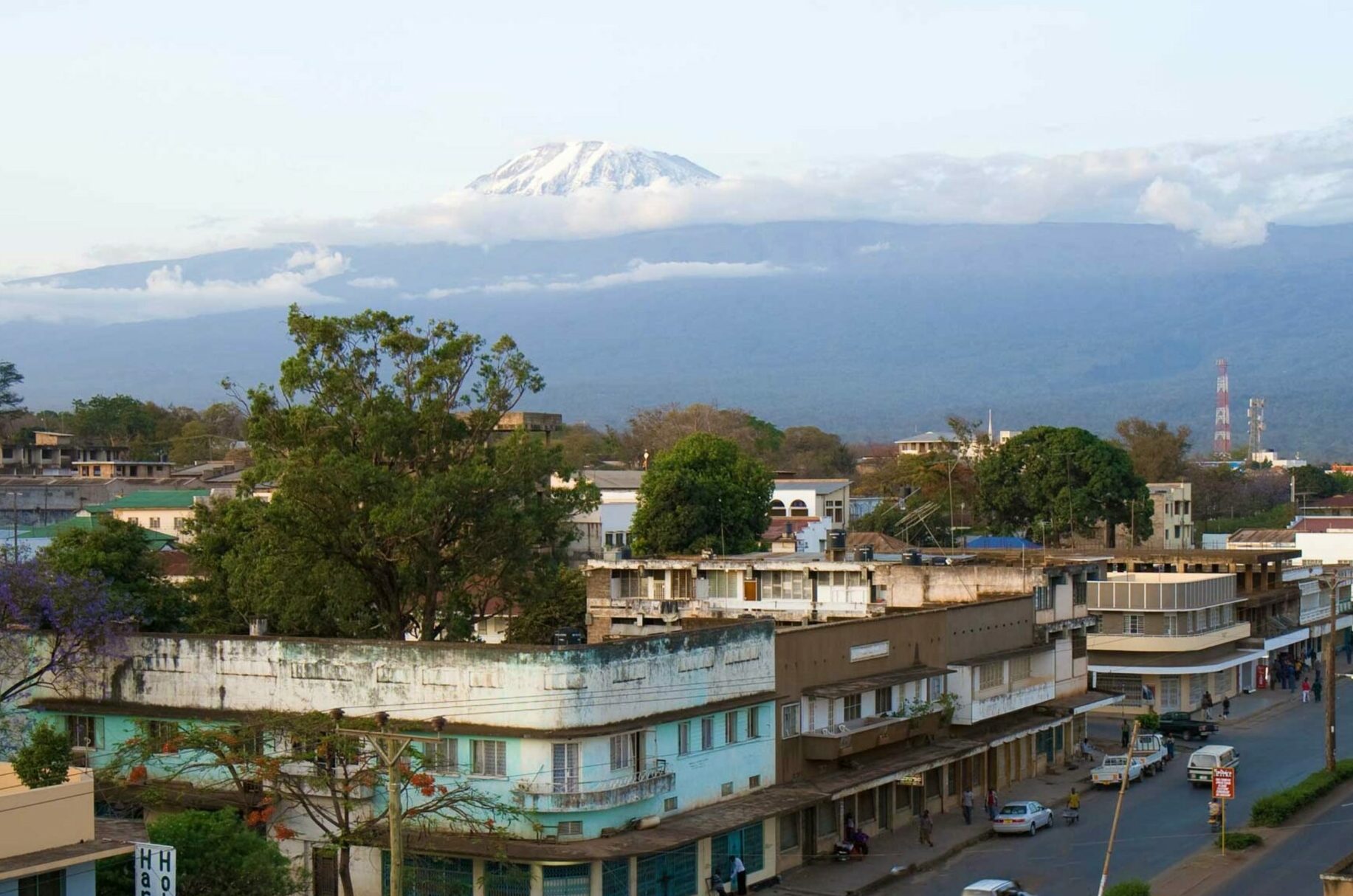
Moshi city nestled at the foot of Mount Kilimanjaro, where community and nature come together in harmony.
Why Philanthropy in Developing Countries Matters
The Fife Foundation is part of a growing movement that sees philanthropy not as benevolence, but as solidarity—a way of participating in global systems of care and justice. International philanthropy has been shown to foster long-term development when rooted in partnership rather than paternalism. When locally-led organisations are supported with trust and humility, outcomes are more sustainable and respectful (Bishop & Green, 2008; Edwards, 2010).
Critics of global giving often reference the risks of dependency or neocolonialism. These concerns are valid—but they’re addressed not by withholding help, but by reimagining how we give. The Fife Foundation believes in what scholars term relational philanthropy—a model of giving based on mutual learning, deep listening, and long-term commitment (Benjamin et al., 2023). That is exactly what we have found in our partnership with New Life Foundation.
As Paulo Freire (1970) once wrote, “True generosity consists precisely in fighting to destroy the causes which nourish false charity.” That is what we aim to do: support not surface solutions, but systemic shifts.
Our Contributions So Far
We have supported New Life Foundation in tangible, lasting ways:
- Donating land for community use — an investment not in property, but in possibility. This land supports food production, vocational training, and community gathering.
- Funding safety and wellbeing projects for vulnerable women, acknowledging the well-documented link between women’s empowerment and generational change.
- Championing holistic care models that foster long-term educational, emotional, and health outcomes for children.
These contributions are small steps in a broader journey toward equity—and we are walking that path hand-in-hand with our Tanzanian partners.
Conclusion: From Moshi to the World
In a world overwhelmed by complexity, New Life Foundation offers a simple, powerful reminder: when we invest in children, we invest in all of us. The work in Moshi is not just about helping a village—it’s about participating in a global movement for dignity, opportunity, and hope.
We at the Fife Foundation are proud to stand alongside our Tanzanian whānau, not because they need saving—but because they deserve solidarity.


