


At the Fife Foundation, one of our greatest joys is supporting young women who are shaping a better, more sustainable future. Through the Sustainability Scholarship for the Bachelor of Sustainability and Outdoor Education (BSOE) at Ara Institute of Canterbury, we are proud to walk alongside the next generation of environmental leaders.
Recently, one of our scholarship recipients shared her experiences, offering a powerful glimpse into the transformative journey she has undertaken so far.
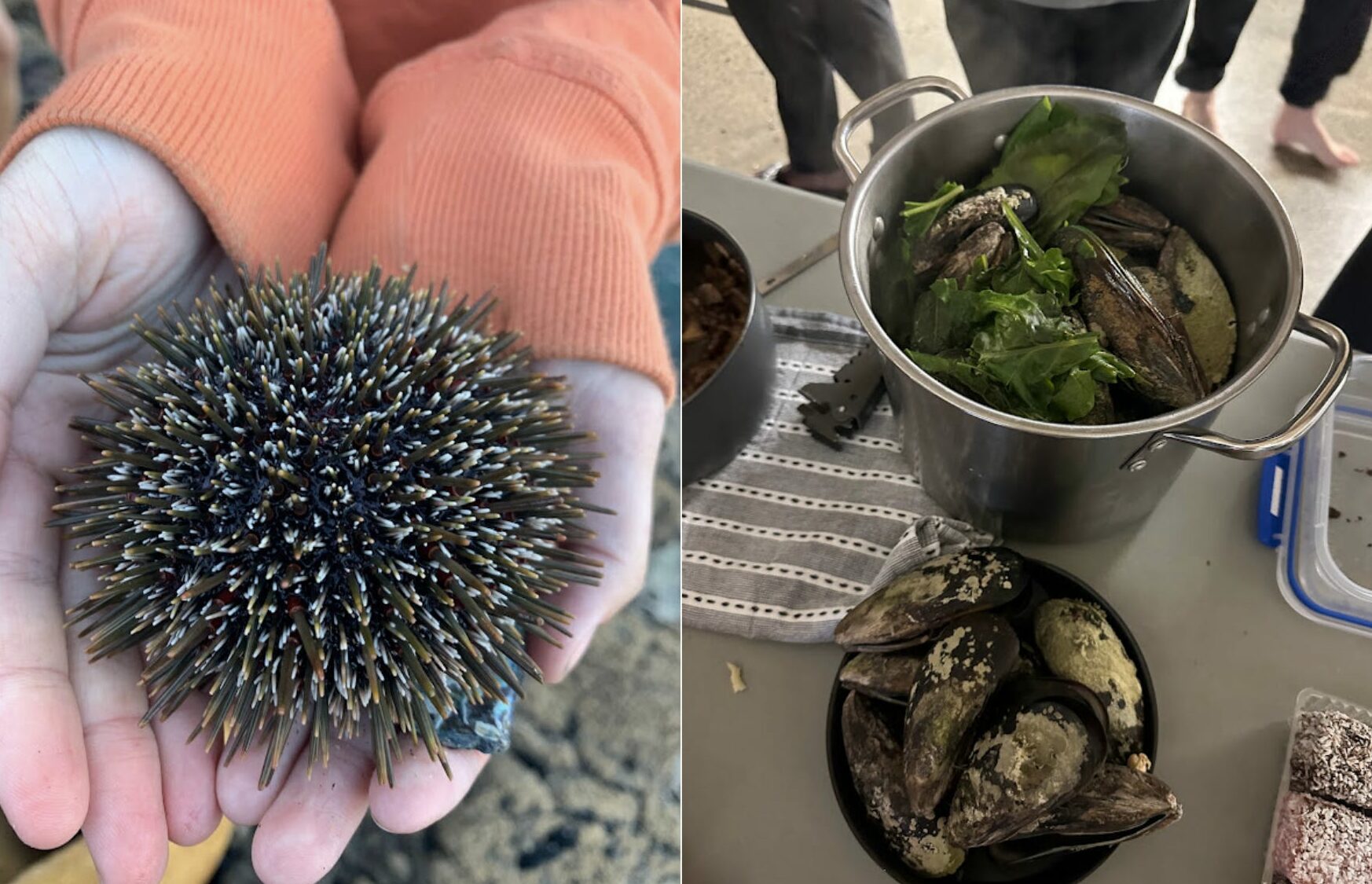
Throughout her studies, she has immersed herself in both the theory and practice of outdoor education and sustainability. A significant highlight has been BSOE522: Te Ao Māori, where students integrate kaupapa and Mātauranga Māori principles into their teaching. This course shifted her perspective in profound ways—moving from a surface-level understanding of Te Tiriti o Waitangi to a place of confidence and respect in weaving Māori perspectives naturally into outdoor instruction. Practical experiences such as gathering kai moana at Te Pōhue (Camp Bay) and presenting on kaitiakitanga (guardianship and the interconnectedness of people and nature) during a noho marae stay, made this learning deeply personal and lasting.
Harvesting kai moana—mussels cooking over the fire and kina held with care. A hands-on journey into sustainable food gathering and deeper connection to te taiao (the natural world).
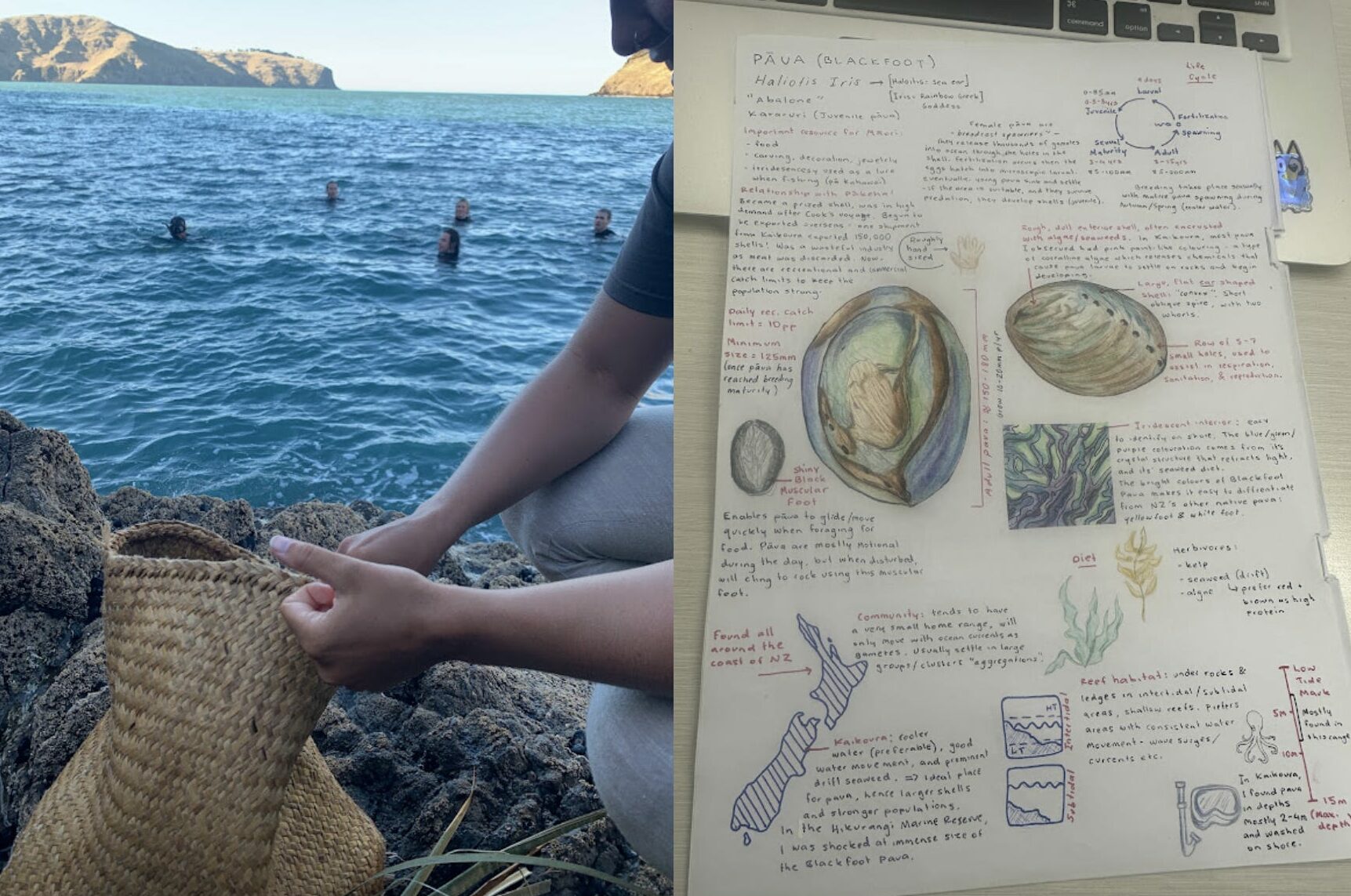
A kete woven with tradition and purpose, used to gather kai moana, paired with handwritten reflections on paua—capturing the rich blend of Mātauranga Māori and personal learning that defines the Ara journey.
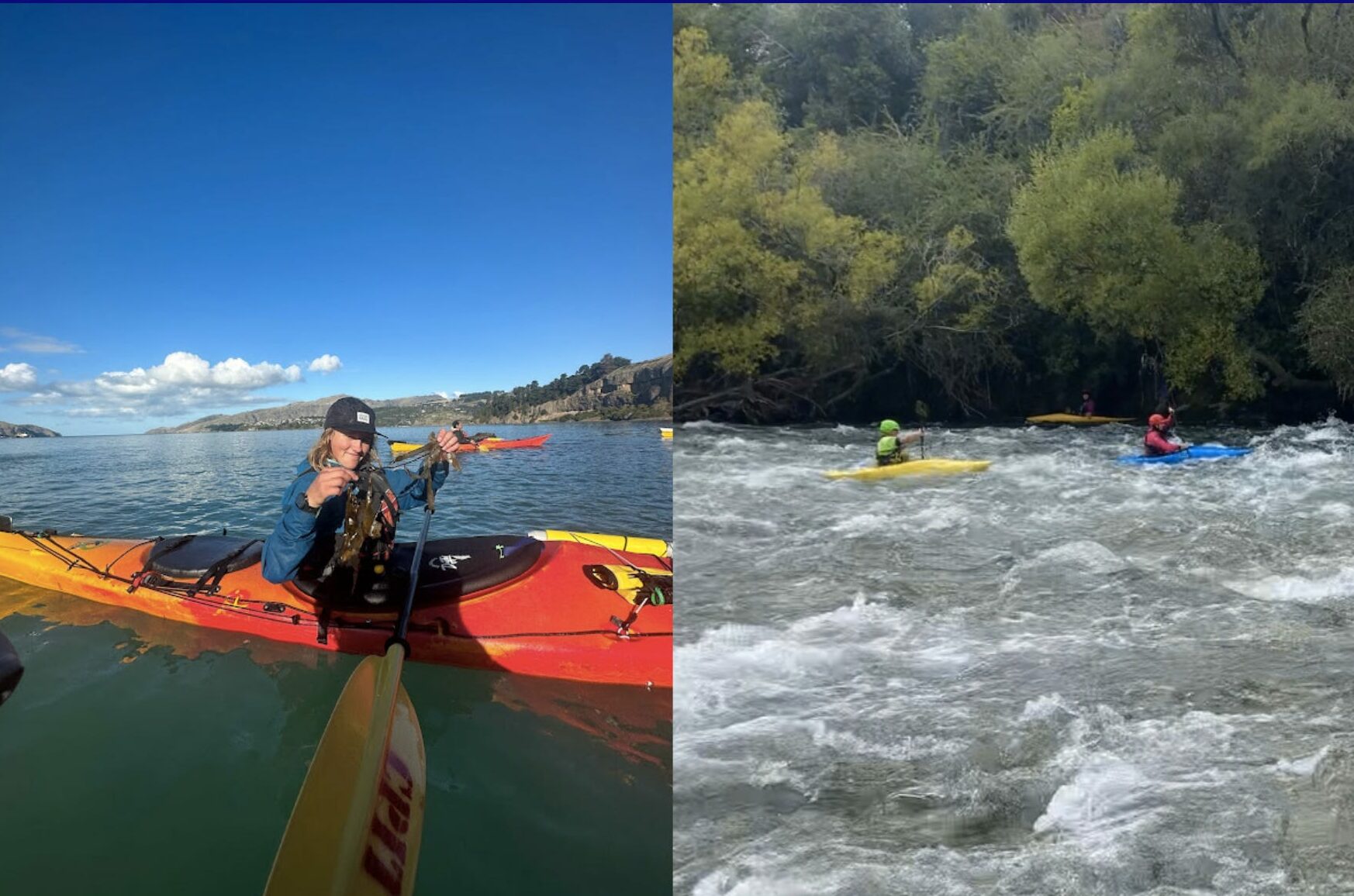
The hands-on nature of the degree has been equally impactful. Papers such as BSOE523: Water-Based Practical Skills and BSOE524: Land-Based Practical Skills helped her develop technical abilities in whitewater kayaking, sea kayaking, rock climbing, and bush navigation. More importantly, they nurtured a strong, enduring connection to the Canterbury environment—laying the foundation for true environmental stewardship.
Whitewater kayaking through dynamic South Island rivers—where leadership, risk management, and environmental guardianship come alive on the water.
One unforgettable highlight came during BSOE623: Wai Tai Wai Māori, where students explored the ecological significance of water systems. During a snorkelling and freediving trip in Kaikōura, she experienced the awe of unintentionally swimming with a pod of dusky dolphins. In this course, students were encouraged to “shake hands” with marine life—building personal, respectful relationships with the environment rather than observing from a distance.
Leadership development has also been a cornerstone of the programme. In BSOE622: Leadership and Decision-Making, students took on the responsibility of leading outdoor activities during a field trip to Hanmer Springs, gaining critical skills in decision-making, safety management, and fostering a “fatality prevention mindset” that will guide them throughout their careers.
Traversing the rugged landscapes of rural South Island, forging a lifelong connection to the whenua (land) through adventure, challenge, and discovery.
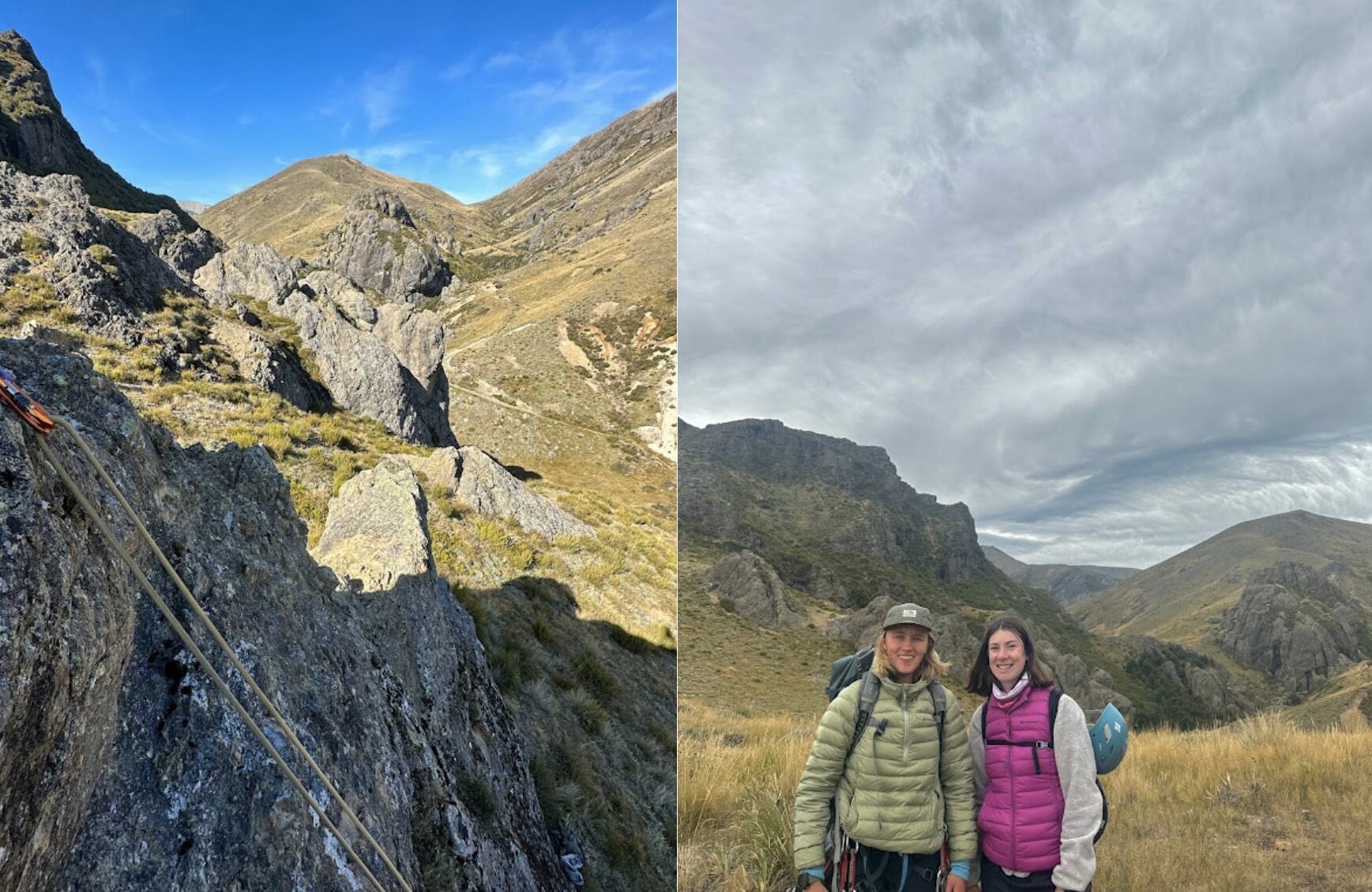
Scaling new heights during rock climbing training—a powerful lesson in trust, capability, and the spirit of kaitiakitanga (guardianship) in action.
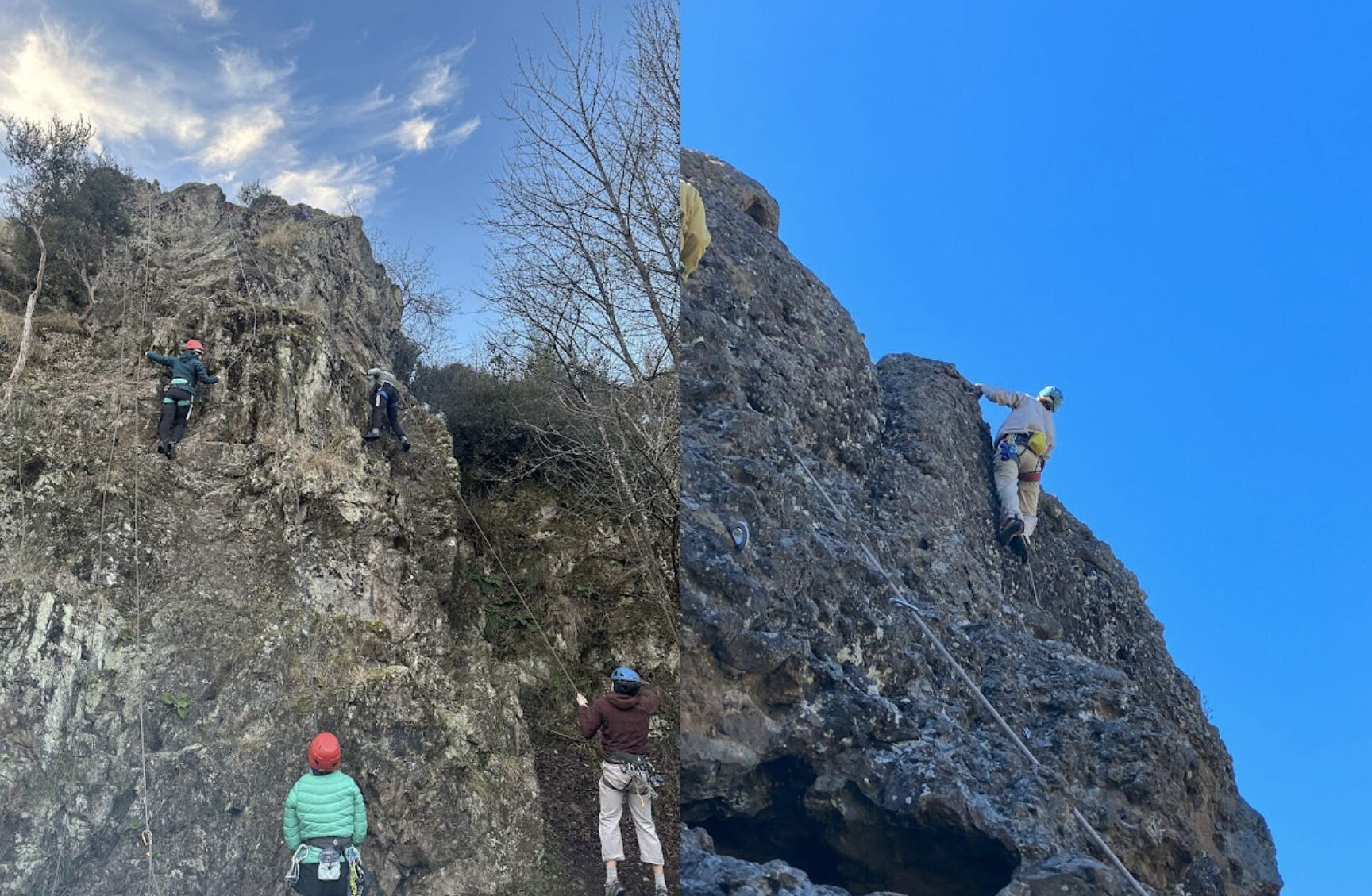
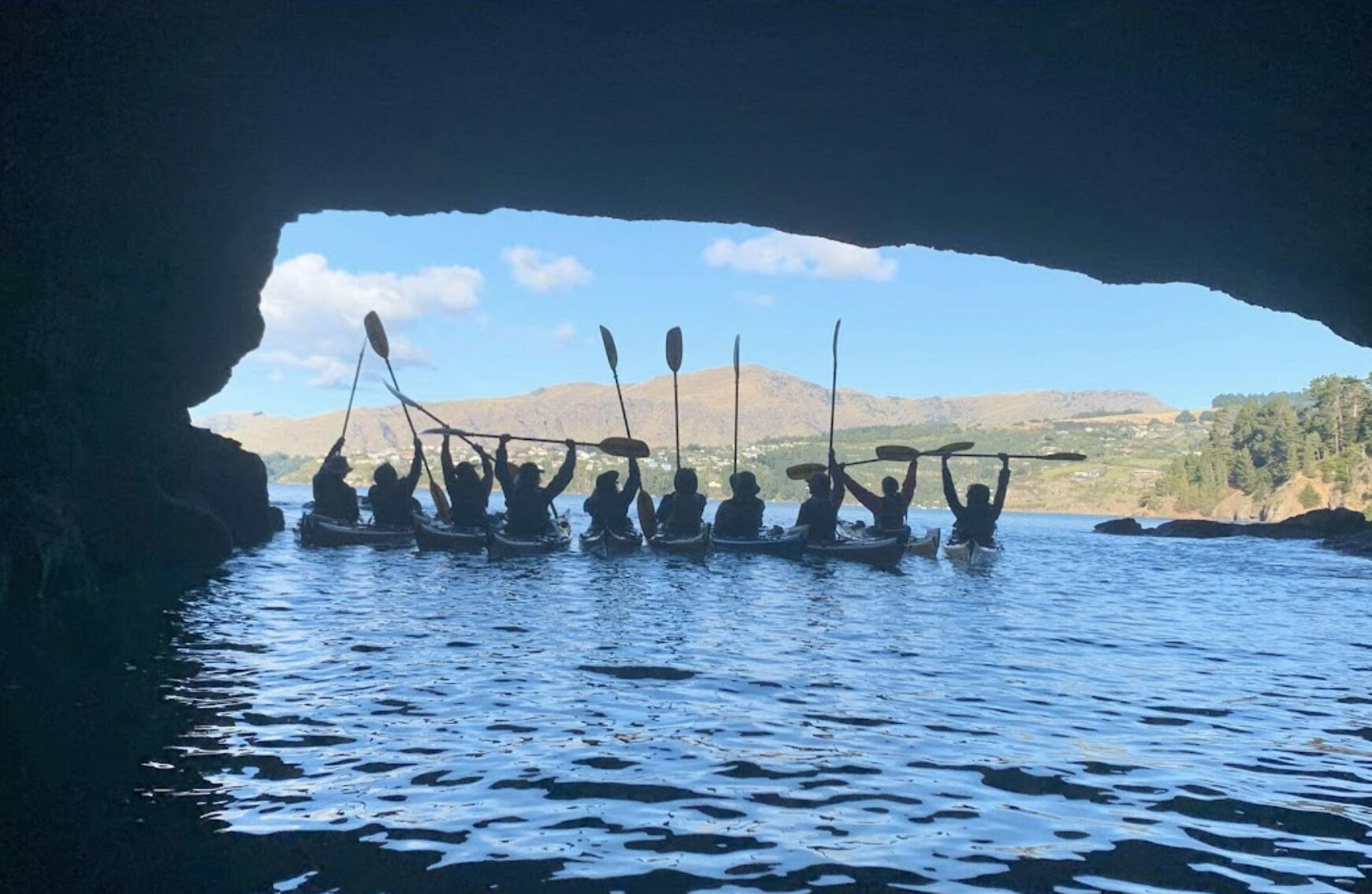
Even with prior professional experience as a sea kayak guide, the learnings from BSOE609: Advanced Sea Kayaking proved invaluable. The Queen Charlotte Sounds expedition offered the opportunity to strengthen leadership skills, form lasting bonds within the group, and deepen technical competency in real-world conditions.
Exploring hidden caves by kayak—strengthening skills, resilience, and respect for our waterways during a transformative year of outdoor learning.
Now, in her final year, she is preparing for a work-integrated learning project, an in-depth research study, and a sustainable action initiative—projects that allow her to align her academic work with her passions and values.
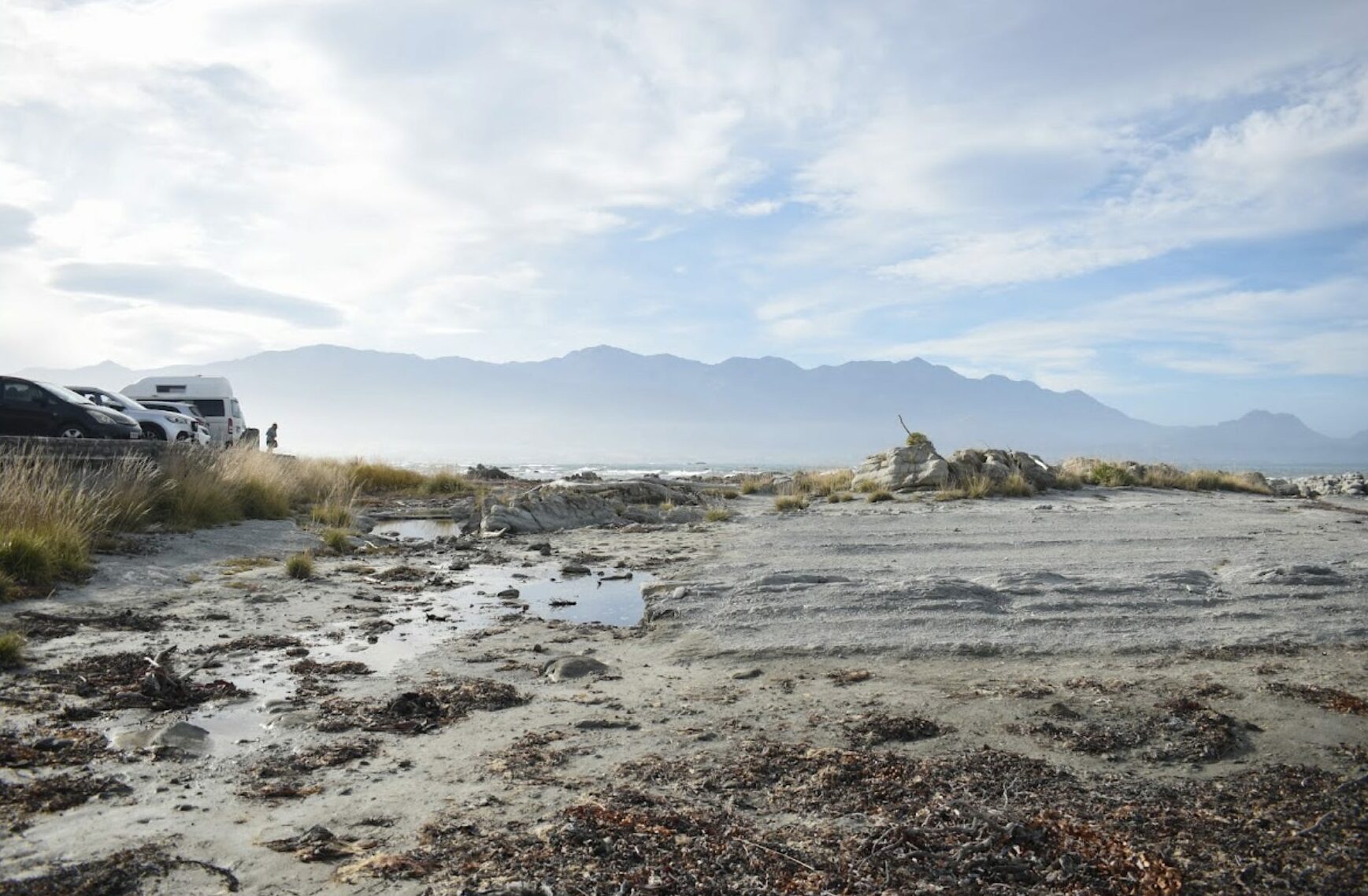
Moments of reflection by the beach—where learning, leadership, and love for the environment intertwine on the journey towards a more sustainable future.
The Fife Foundation believes that real, lasting change happens when passionate people are supported to lead with knowledge, respect, and heart. The experiences shared by our scholarship recipients are a testament to the power of education that integrates environmental care, cultural respect, leadership, and hands-on experience.
We are proud to play a small part in their journey toward becoming the kaitiaki (guardians) our world needs—and we cannot wait to see the future they help to create.


